The wounds of changing names
I cannot believe that an encyclopaedia would be enough to count the wounds of changing Kurdish names and the consequences that altering those names has brought about over the last hundred years. I know this from my own life before anyone else’s: I spent half my life in complaint and grievance, until I understood that the body of the Kurdish person is nothing but a collection of sores and wounds, and that each of us must become our own doctor.
It was these very sores and wounds that pushed me to set some of them down in order on paper and put them before our eyes, so that the names of these wounds can also be read with the eyes on paper, and not only felt.
One of the wounds is the one I pointed to at the end of the ninth article: namely, “the banning of the Kurdish language everywhere is the genocide of the Kurdish mind and the beginning of all the other genocides of a nation”.
The key to life and living is language
Whether we say so or not, language is a part of the human mind, and the mind is the treasury of a language’s words and thoughts. Language is not only the saying of words and the hearing of speech; language is the world of thinking, describing, creating and progress.
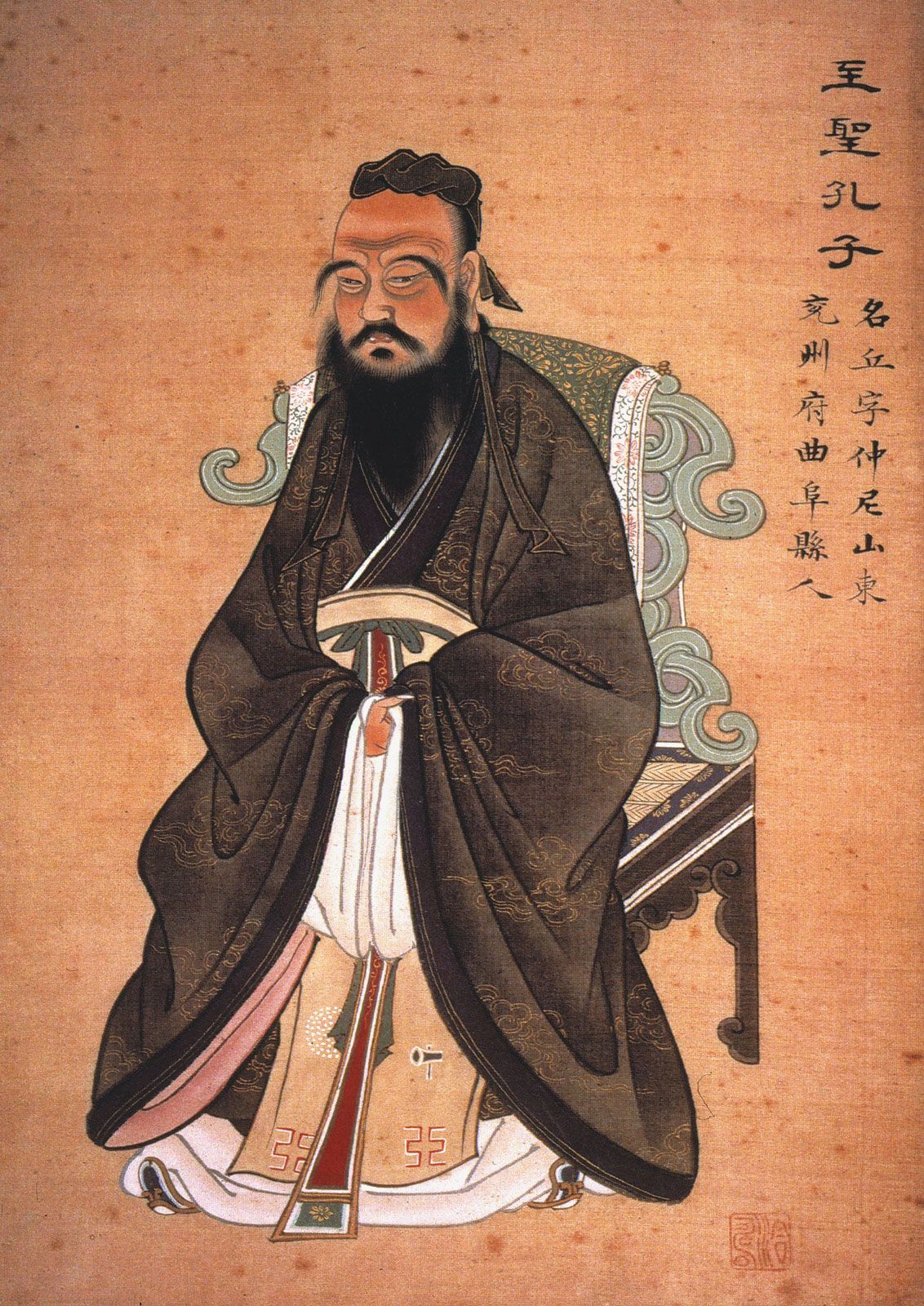
Blocking, obstructing and restricting a language deprives people of growth and of progress in life; this deprivation was described in this way by the philosopher of the land of China, Confucius (551–479 BC).
Without doubt, the key to life and living is language. Language is the most precious and valuable concept. He said: “If language is not set right, nothing is set right.” Without language, there can be no religious devotion! Without language, responsibility cannot be carried out! Without language, people do not understand one another! Without language, life becomes the life of a herd!
According to the world census, there are close to 8 billion people alive. All these people have come to be divided into hundreds of different peoples. But if language were not used, all those peoples would be divided into only four groups of people in life: black, yellow, red and white.
The rights to use our language
I say it emphatically: the grim phenomena that come from banning, blocking and restricting a language are crippling at every level of life in our country. Look only at speech: most Kurds speak several languages, but do not know their own language well, or do not know it at all!
Things have reached the point where, in the 21st century, the rights to use our language on our own land have become red and yellow lines. They have become the most important subjects of negotiation between our nation and the occupiers of our language. So much so that these legitimate rights, which everyone on the face of the earth has, have become demands and petitions. In every negotiation we have to sit down with those perpetrators of genocide and ask for our rights according to the views, rules and framework of those in power. Only God knows when those meetings will ever take place.
The mother tongue has become the guardian of existence
In China, the philosophy of Confucius (551–479 BC) was accepted by most of the people, and they made it the basic guideline for organising, developing, protecting and preserving the language and culture of their people. This guideline became the reason that the language and civilisation were preserved and that this country was revived, after it had met, over the length of its history, many occupations and changes of every kind in the life of its people.
Many examples in history confirm that the mother tongue has become the guardian of a nation’s existence, progress and future, such as Japan, where even after those two atomic bombs, the process of rebuilding the country began with great reforms in language, culture and education.
The Japanese write with three different writing systems, and they use them together in the same sentence, rather than using each system separately.
These are the three scripts
- Hiragana (ひらがな) Used for native Japanese words and grammatical endings. Its letters have their own particular shapes. Example: こんにちは (konnichiwa) = hello.
- Katakana (カタカナ) Mostly used for foreign words, borrowed names and sounds. The shapes of its letters are sharper and more angular. Example: コーヒー (kōhī) = coffee.
- Kanji (漢字) These are symbols of Chinese origin. Each symbol holds an idea or part of an idea. Example: 山 = mountain, 水 = water.
What is striking: the Japanese learn all three systems and mix them naturally when writing. This makes Japanese writing look very heavy and complicated to beginners, but with learning and perseverance it becomes manageable and easy!
The situation of the Kurdish language
In our country the situation of the Kurdish language is far weaker and more devastated. On top of the two alphabets that have become a curse on us, the Kurdish language is broadly divided into three main parts: Northern Kurdish, Central Kurdish and Southern Kurdish. To this day we do not have a unified academic dictionary for any one of these three parts. Having these dictionaries is the first and most basic step towards reviving our language. The list of our complaints and grievances in this field of serving the Kurdish language is much longer than the list of our work and deeds in it.
What I mean by the examples above is that every Kurd should be able to feel it and see clearly that if the mother tongue is strong and powerful, that nation, its country and every one of its people will be strong and powerful too; if the mother tongue is half-dead, that nation, its country and all its people will be so too. This tells us clearly that the strength and power of every nation and country come from the strength of its mother tongue, before anything else. It tells us that a nation that has protected its mother tongue is a strong nation, and that to strengthen itself it will draw benefit from all the good systems in the world; but a nation that is half-dead not only fails to do this, it will also lose the systems that exist in its own tradition, and it will produce lazy and dull-minded people.
The changing of Kurdish names in the last hundred years
In short, the changing of Kurdish names in the last hundred years, whether the names of people, of families, and of Kurdish villages and towns, or the names of their mountains, plants, rivers and regions, has had deep negative consequences. Its effect has not stayed with the Kurdish language alone; it has reached the national identity, culture, history and collective memory of the Kurdish people.
This phenomenon has taken place in many different stages, through methods of Arabisation, Turkification, Persianisation and the changing of local identity, in different ways in Turkey, Syria, Iraq and Iran.
What are the negative consequences and the losses of the Kurds from these changes? Briefly, since in the coming part I will dwell at some length on the devastating results and consequences of these changes. For now, only the names and markers of some of the main losses of the Kurds in these changes.
The main losses
The main losses can be summed up in five basic areas:
- Historical loss: weakening the presence of Kurdish history in documents and maps.
- Cultural loss: diminishing the names, symbols and cultural elements inherited from earlier generations.
- Linguistic loss: weakening the bond between the Kurdish language and daily life.
- Social and psychological loss: deepening the feeling of estrangement and the discrimination tied to identity.
- Geographical loss: weakening the historical bond of the people with their land and its names.
This is only a drop from the sea of the wounds of changing Kurdish names, inflicted through the banning of the language.