Flora Kurdica documents the plants of Kurdistan and their Kurdish names. Until now the site was in English and Kurmanji. Now it is in Sorani too: the menus, the About and Language pages, the sixteen lessons of Weysî Silêman Elî's book, Kulîlk û Gul bi Kurdî, all ten parts of his series, The Importance of Names and the Kurds, and our first plant pages.
To mark the occasion, we are publishing an article by Şarox Hesen Zade, written in Sorani, about the nature of Kurdistan and why its plant names must be written down. The text and the views in it are the author's own. Below is our English translation of the Sorani original; the plant names are left as the author wrote them.
Kurdistan as a geographical region
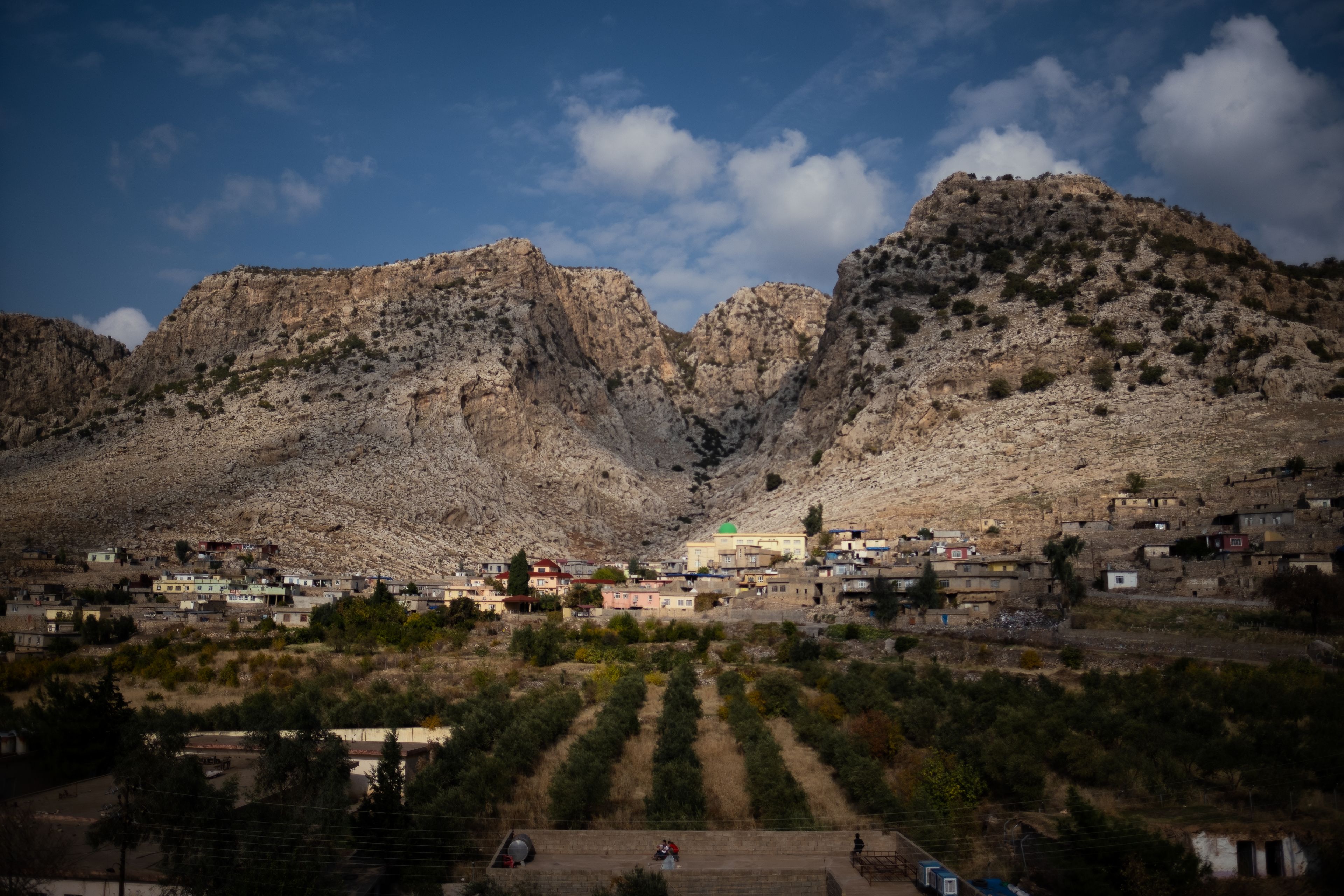
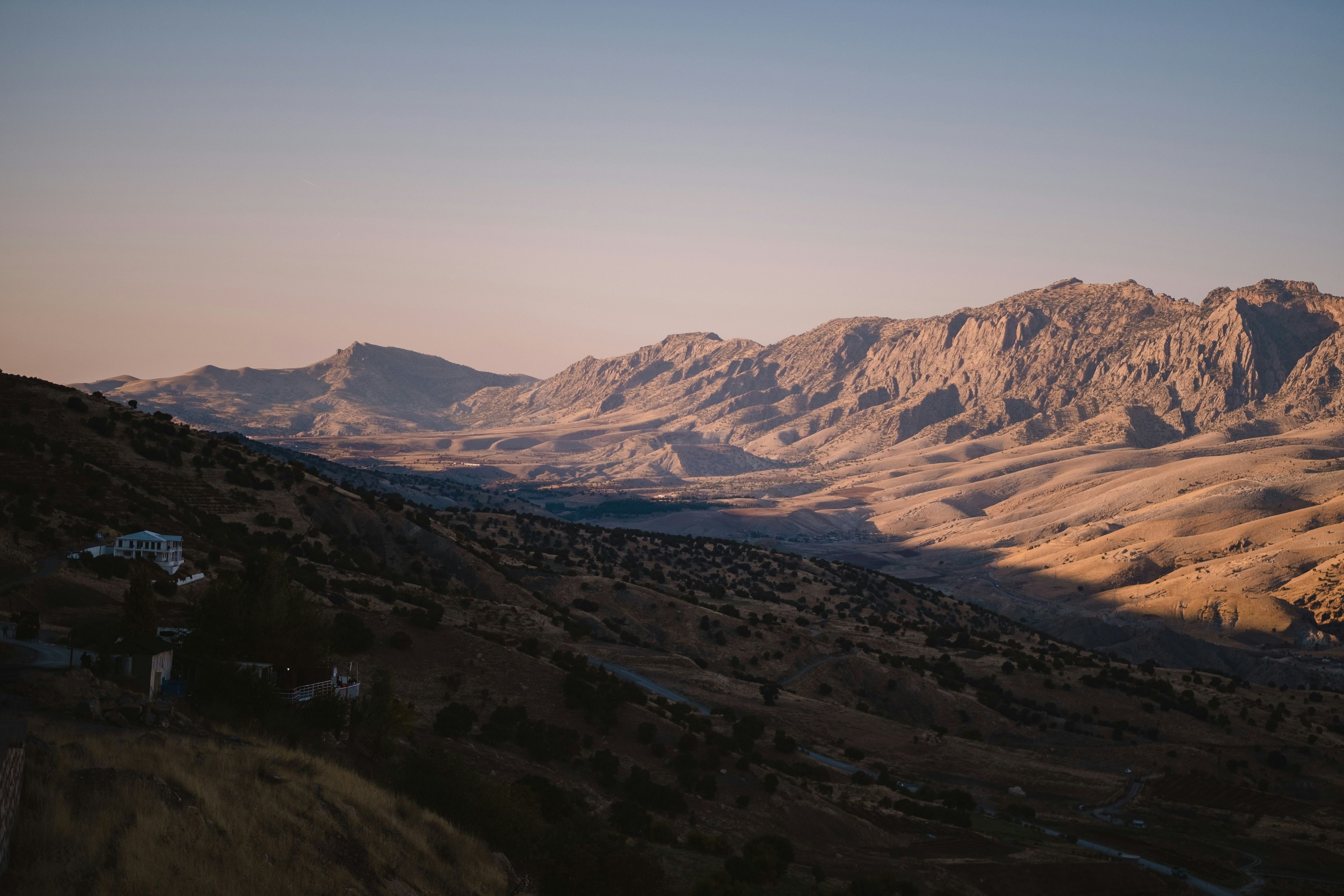
Kurdistan, as a geographical region, is a living and unique tableau of nature. On the world map it lies in the Middle East and, without regard to the will of its inhabitants, it has been divided among four nation-states. This geography, from the rugged mountain ranges of the Taurus and Zagros down to its wide, fertile and bountiful plains, has a many-sided topography and a varied climate. This natural character has made this land one of the richest regions in the world in biological diversity and in an endless treasury of plants. Scientific records and studies show that thousands of different kinds of herbs, flowers, trees and plants exist in this vast land, most of which are particular to this environment and are classed as native and endemic plants, and many of which are good for medicine.
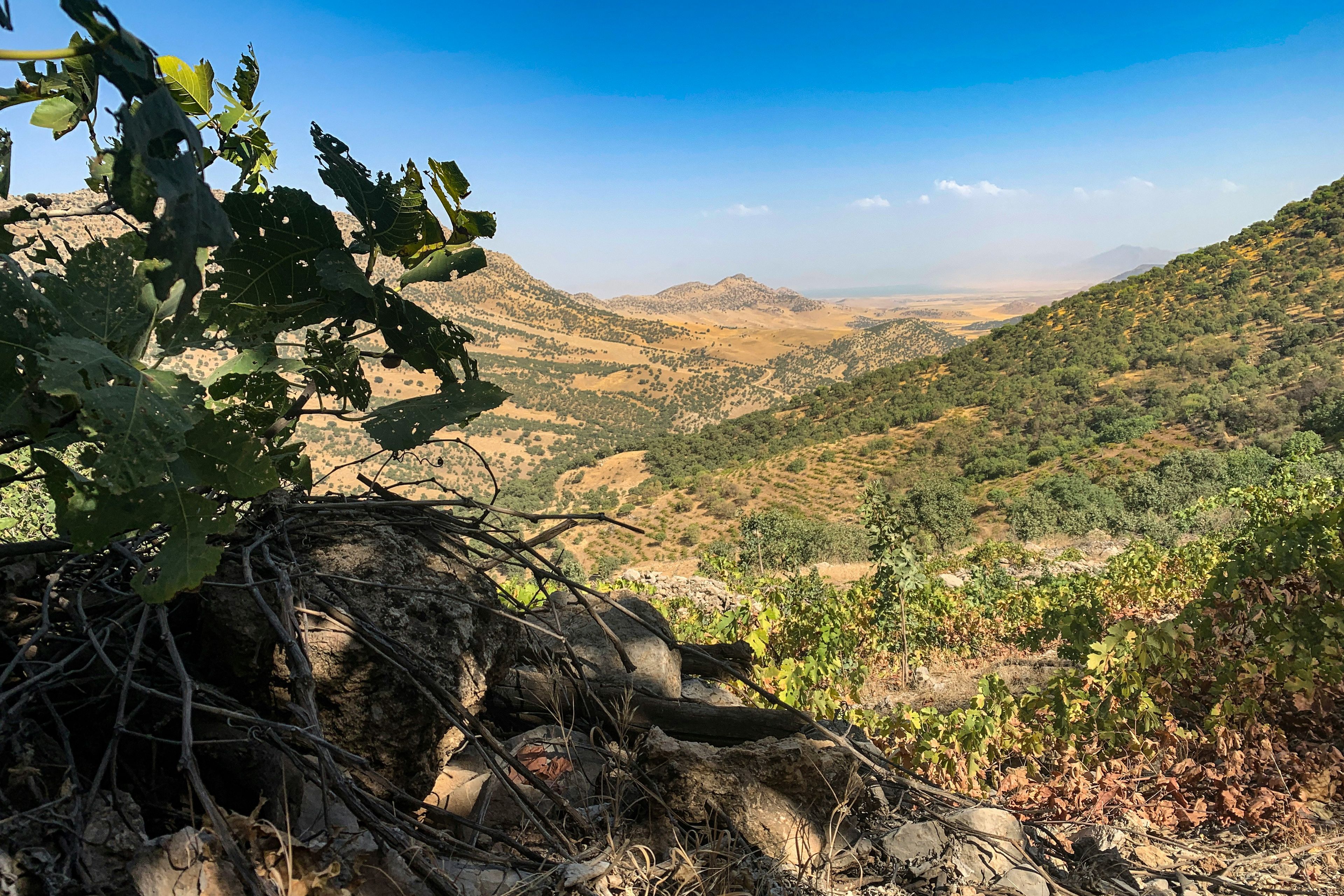
The nature of Kurdistan is an untouched and many-sided treasure that rises from the embrace of valleys, thickets, hills, ridges and hillocks, and shows its glory in the depths of gorges, cliffs and rugged peaks. From the broad foothill plains and steep, rocky places to the cold shaded slopes and the warm sunny slopes, together with springs and slow rivers, it forms a balance without equal. Just as it grows life in forests and moss, in meadows and many-coloured pastures and in lovely gardens and orchards, so in the heart of بەڕوو، قەزوان، بادام و گوێز و گێوژ و بەڵاڵووک و هەنجیر و مازوو، کرۆسک و مێوراز و شیلان and more, it keeps its diversity as a great treasure of nature.
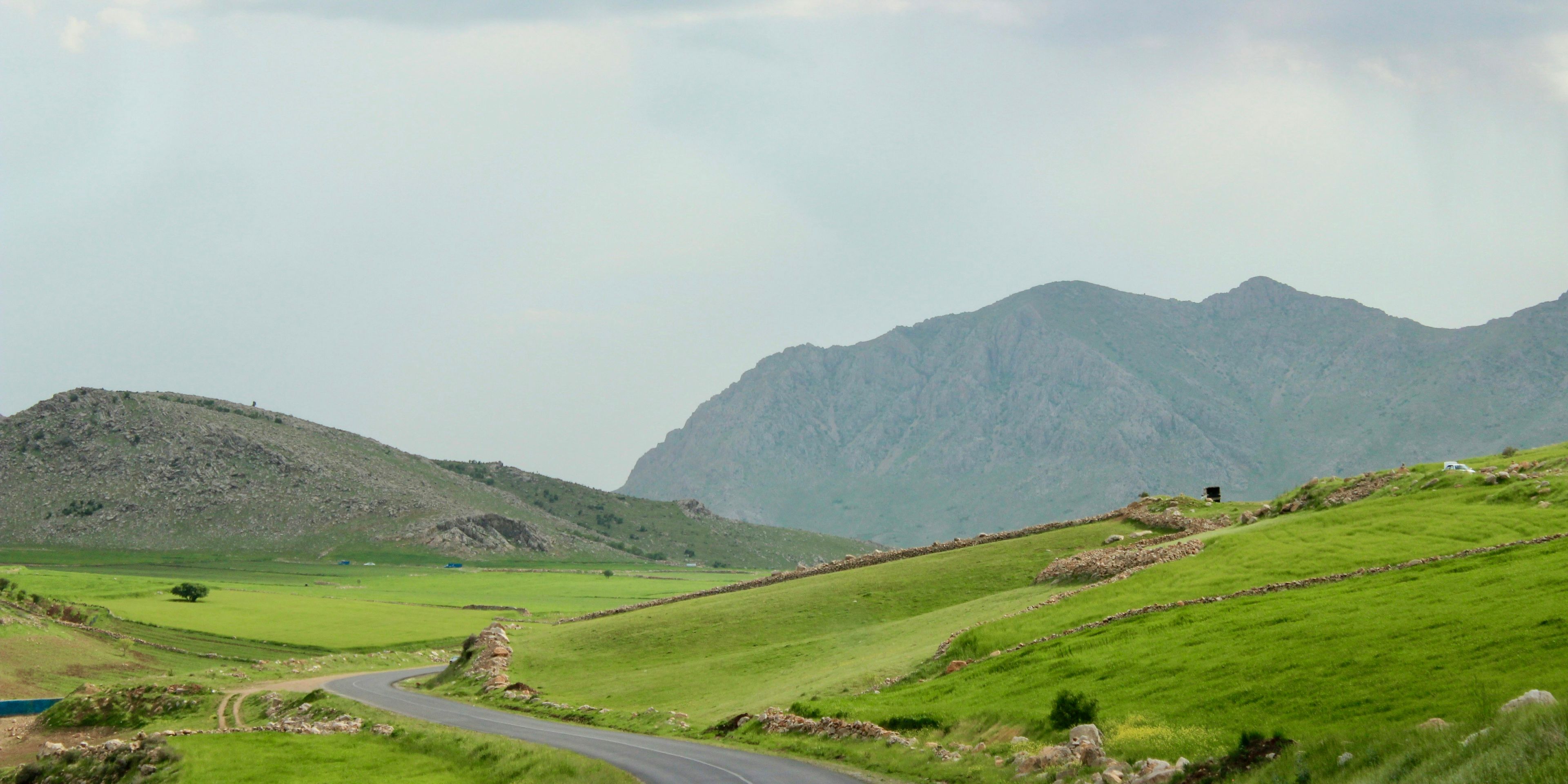
In spring the nature of Kurdistan becomes a beautiful henna-coloured and green carpet: its mountains, heights and summer pastures, its plains and foothills are full of گوڵاڵەسوورە، بەیبوون، سوێسن، شەوبۆ، نێرگز، کنێرە، مەمۆڵە، ڕیحانە، هەڵاڵە، شلێرە، هێرۆ، وەنەوشە، کەما و کەرکۆڵ و هەزبێ و سوورەچنە و کوارگ، کوڕادە، کەنگر، لووشە، قازیاخە، ئەسپینگ، مەندۆک، گێلاخە، گەزگەسک، ئەسرێلک، پونگە، دۆری، بیزا، کاردوو، تیسوو، دونبەڵان، نەعنا، جاترە and more, all of which, besides adorning the nature of Kurdistan, are a cure for the sick. This richness is a great national and scientific wealth that needs to be known, protected and studied in careful academic research. Botany, and the study of flowers in particular, is regarded in today's advanced world as one of the most important pillars of environmental protection, pharmacy and agriculture. For hundreds of years the countries of the world, by founding advanced research centres and gardens and by producing scientific botanical dictionaries, have managed to collect the great majority of their plant life, classify it and give it scientific and local names. In this way they have not only preserved and recorded their natural history, but have also put their science at the service of the medical industry and the national economy. But unfortunately, in our society, even though we have one of the richest and rarest plant environments, this important field has not been given serious scientific, academic and written attention, and because of hard historical circumstances, occupation, the lack of an independent entity and of specialist institutions, our plant history has stayed mostly within folklore and oral literature.
Many of the original Kurdish names of our plants and flowers have been lost because they were never written down or recorded, or they have been stolen by the dominant languages of the region and recorded under other names. When a people loses the names of its plants, mountains and flowers, it is in truth losing part of its identity and its mother tongue. In written academic research we have fallen into a great void, which must not go on any longer. On the basis of this national and scientific need, this multilingual website has been founded as the first official and comprehensive scientific platform for introducing the flowers, herbs and plants of all Kurdistan. The main aim of ours and of this project's management board is to gather all the scattered information that exists on the nature of Greater Kurdistan and to reorganise it according to international scientific standards. On this website we work to preserve and document Kurdish names in all dialects and varieties, to prevent the linguistic loss of this treasure, alongside the scientific classification of plants in cooperation with experts at home and abroad, and to present the information in many languages, so that through this window the world comes to know the richness of the land of Kurdistan.
At the same time, one of our foremost aims is to search for and discover those new kinds of plants, flowers and herbs that have not yet been recorded in any official source, so that we can give them a Kurdish name and a scientific identity. This platform can become a living national archive that fully believes that knowing the homeland's environment is the first step towards loving and protecting it. From here we call on all scholars, researchers, pupils and students, nature lovers and those devoted to the homeland to become collaborators and supporters of this sacred work, so that together we may wipe the dust of neglect from the green pages of Kurdistan and preserve the true identity of our nature for future generations.
The Sorani pages on this site are translations. We made them with care, but a native Sorani reader has not checked them all yet. If you see a mistake, or you know the Sorani name of a plant and where it is written down, please tell us. More plant pages will follow in Sorani.